


But a modern wash basin is no longer just a utility; it is a sculptural anchor. For those looking to elevate this space from a room of necessity to a gallery of personal style, the choice typically narrows down to two evocative materials: the primal, grounded presence of a stone wash basin or the ethereal, light-catching brilliance of a glass wash basin. Here is how to navigate the choice between these two distinct design philosophies.

- Bathroom
- Kitchen
- Inspiration
- Care
- About Us
- Enquiries
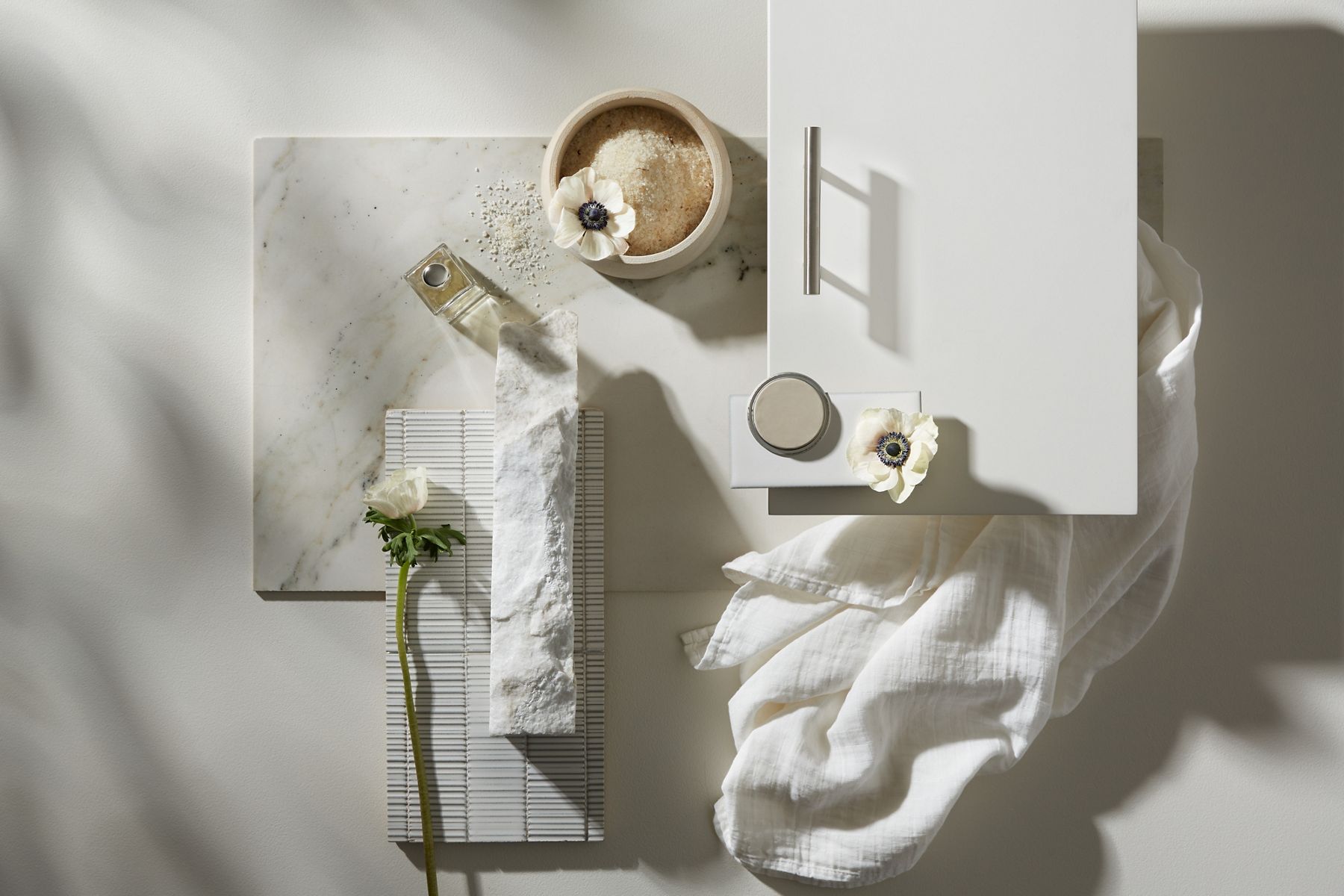


The Primal Sophistication of Stone
There is an undeniable gravity to a stone wash basin. Carved from solid blocks of marble, granite, or onyx, these pieces carry the weight of history and the unyielding strength of the earth. Choosing stone is an exercise in appreciating "imperfection" as the ultimate luxury.
Why It Works
Stone is for the tactile soul. It offers a cool-to-the-touch permanence that feels ancient yet fits perfectly within modern "Biophilic" or "Japandi" interiors. Because stone is a natural product, the veining in your basin is a unique fingerprint of the planet—no two are ever identical.
The Editorial Reality
Stone requires a commitment. It is porous and, much like a fine leather jacket, it demands care. It must be sealed to ward off the marks of daily life and handled with pH-neutral cleansers. However, for those who value a piece that grows in character over decades, the maintenance is a small price for such architectural grandeur.
The Luminous Allure of Glass
If stone is the earth, a glass wash basin (or glass wash sink) is the light. In the hands of a skilled designer, tempered glass becomes a medium for colour and transparency that ceramic simply cannot replicate.
Why It Works
A glass wash sink is the ideal solution for the modern minimalist. Its "visual weight" is nearly zero, making it appear as if water is floating above your vanity. This transparency is a secret weapon for smaller bathrooms, preventing the room from feeling cramped. Whether it is a deep, smoky charcoal or a vibrant, hand-blown amber, glass allows for a level of artistic expression that feels high-fashion and avant-garde.
The Editorial Reality
While tempered glass is incredibly resilient to heat and impact, it is a "truth-teller." It will show every water spot and soap streak. To keep it looking like a piece of art, a quick swipe with a microfiber cloth after use is essential. It is a material for the meticulous—those who find joy in the pristine.
Making Your Decision
The choice between stone and glass isn't just about durability; it's about the "vibe" you want to wake up to.
- Choose Stone if you want your bathroom to feel like a subterranean spa—quiet, grounded, and timeless.
- Choose Glass if you want your bathroom to feel like a boutique hotel—vibrant, sleek, and filled with light.
Whichever path you choose, remember that the basin is the centerpiece of your morning. Make sure it’s a view worth having.
Curate Your Space: If you're looking for world-class craftsmanship that merges these materials with cutting-edge engineering, explore the Kohler Washbasin Collection to find your perfect match.

