


A good toilet seat design brings together the right shape, silhouette, and finish, making the seat look like a natural part of the toilet rather than an addition placed on top. This guide walks through the design principles worth understanding and how to apply them when choosing your own.

- Bathroom
- Kitchen
- KOCO
- Inspiration
- Care
- About Us
- Enquiries
Understanding Toilet Seat Design Styles
Before making a decision, you need to understand the broad design directions most seats fall into, since this is where personal style really comes in. Most toilet seats fall into one of four general design styles, regardless of brand.
- Understated and refined. A clean, rounded silhouette with no unnecessary detail, suited to a bathroom built around restraint, where the seat should feel composed rather than decorative. KOHLER's APT™ Quiet-Close round-front seat is a good example of this direction.
- Sculptural and expressive. Softer, more fluid forms built around curves rather than straight lines, better suited to a bathroom with a European or contemporary character.
- Bold and structured. Sharp and minimalist lines often pair well with a low-profile square shape that suits linear tiling and architectural mirrors. KOHLER's Ridge™ Quiet-Close square-front seat with Safe Shield® reflects this style well.
- Manual bidet seats add water-based cleansing without any wiring, connecting directly to your existing water supply without requiring an electrical outlet. They are a practical option for households exploring bidet functionality without a larger investment.
How Toilet Seat Design Shapes Your Bathroom
Once you understand these directions, a few practical design choices decide how the seat fits your space:
- Match the silhouette to your bowl. A round seat on an elongated bowl, or the reverse, will always look slightly off, no matter how refined the seat itself is.
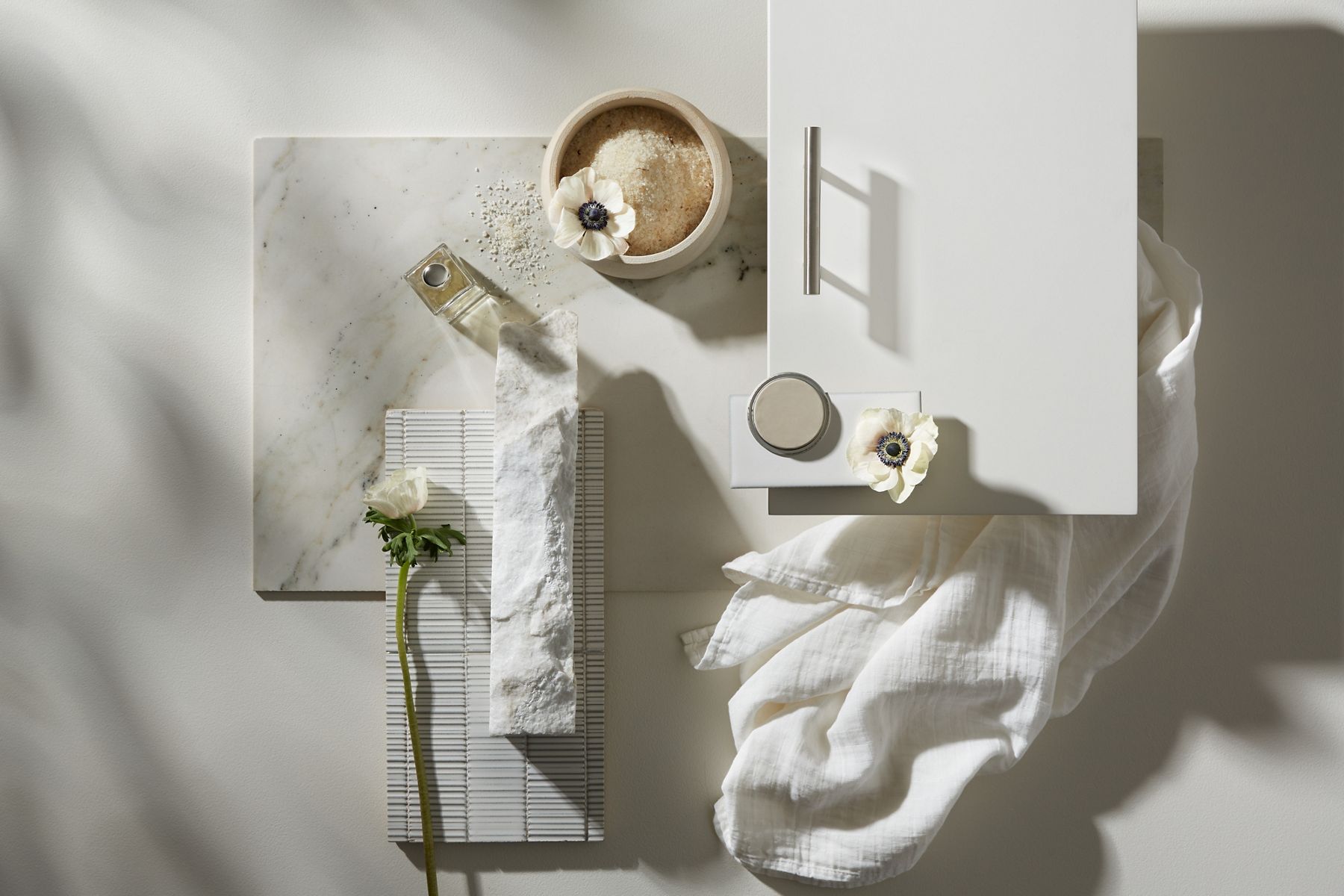
- Coordinate colour and finish. Seats are generally available in classic white and biscuit colours, as well as black, grey, and heritage-inspired shades. This gives you a lot of room to coordinate with your tiles, fittings, and cabinetry.
- Consider a slim profile. A slimmer seat complements wall-hung and one-piece toilets particularly well, giving the fixture a clean and uninterrupted look.
- Look at how the hinge sits. A low-profile hinge that blends into the seat keeps the overall design clean and uncluttered.
Types of Toilet Seats
Design is only part of the decision. It's also worth understanding the functional types of toilet seats available before you decide.
- Standard seats are the simplest option, a single hinge mechanism with no added function, generally the most affordable and easiest to replace.
- Manual bidet seats add water-based cleansing without any wiring, connecting directly to your existing water supply without requiring an electrical outlet. They are a practical option for households exploring bidet functionality without a larger investment.
- Electronic bidet seats go further, adding warm-water cleansing, air drying, and heated comfort, usually adjusted through a remote.
KOHLER's Manual Bidet Seats and Electronic Bidet Seats are worth a look if you're comparing the two directly. For a fully integrated option, including KOHLER's C3 series, combine seat and bowl into one all-in-one fixture, a genuine example of a new toilet seat design moving away from the standard add-on seat entirely.
How to Choose the Best Toilet Seat for Your Bathroom
With design and type both considered, a few practical checks confirm the final decision:
- Measure your bowl first. Most seats are designed for either round or elongated toilets, and a mismatch undoes even the most well-considered western toilet seat design on offer. Checking toilet seat sizes against your bowl before you buy is the single easiest way to avoid a return.
- Think about material and finish life. In India's humid bathrooms, a well-finished plastic or antimicrobial seat tends to hold its colour and shape better over time than untreated wood does.
- Check the hinge mechanism. A quiet-close, quick-release hinge helps the seat remain simple to use and maintain over time.
Final Thoughts
A well-designed toilet seat does more than function quietly in the background; it completes the bathroom's overall composition. Once you understand how shape, silhouette, and finish work together, choosing the best toilet seat becomes a considered design decision rather than a last-minute purchase. A seat chosen this way also tends to age better, since a considered design is less likely to feel dated and may not need replacing as quickly. If you want to see how these principles apply across a real product range, KOHLER's Toilet Seats & Bidet Seats collection is a useful place to compare shapes, finishes, and mechanisms to make the right choice.

