



Kohler Kitchen Faucets Embody Sophistication
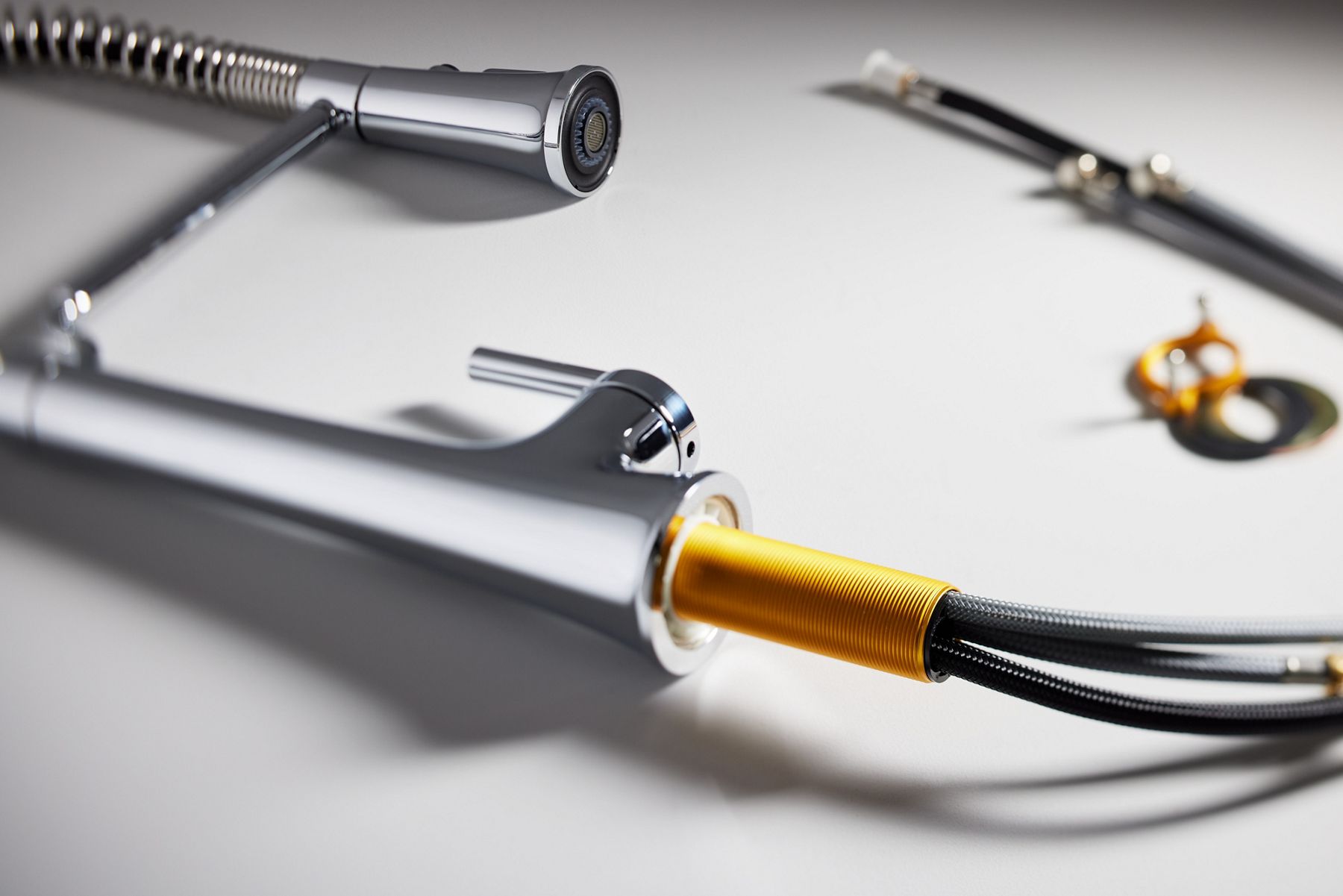
The heart of your home lies in your kitchen, where life's flavours blend and memories live. Within this culinary haven, Kohler Kitchen Faucets take center stage, presenting a harmonious union of exquisite form and unparalleled functionality. Crafted with the utmost care, these faucets epitomize enduring craftsmanship and sophisticated design, elevating your kitchen experience to new heights.
Discover a world of enhanced functionality with Kohler Kitchen Faucets, as they seamlessly blend convenience and innovation. From touchless operation to precise temperature control, these faucets offer a level of efficiency that simplifies your culinary tasks and allows you to focus on the joy of cooking and entertaining.
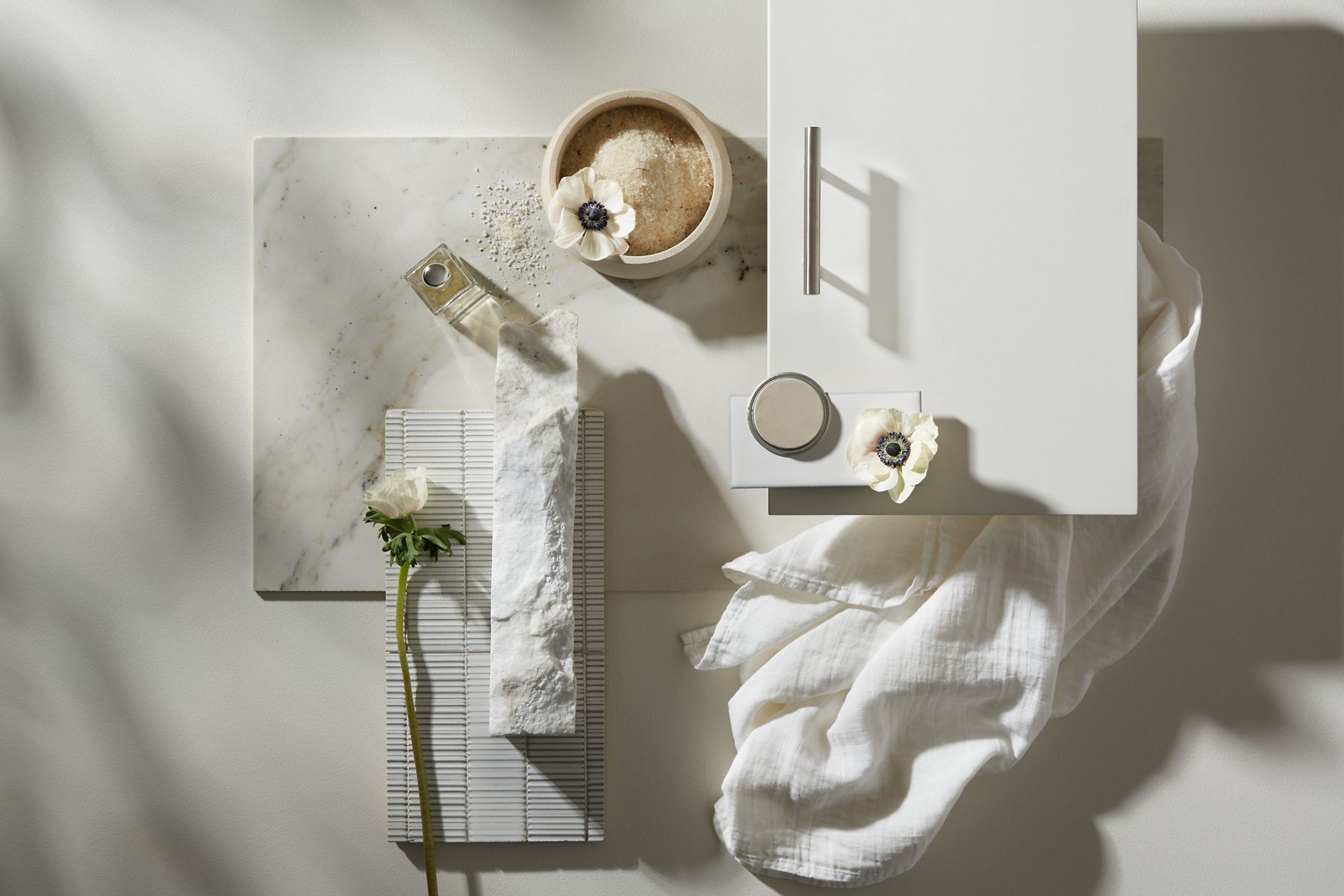
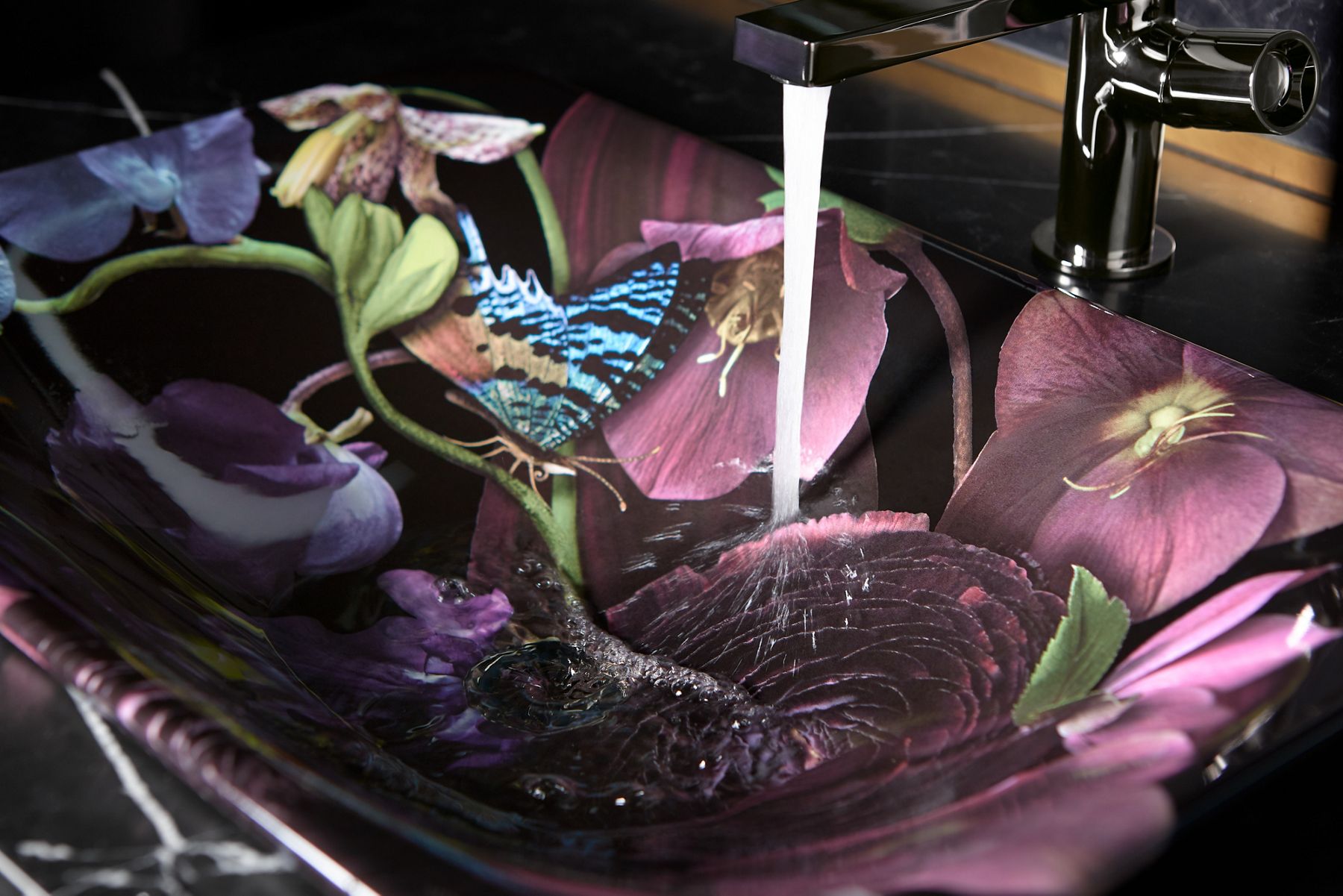
Beyond their practicality, Kohler Kitchen Faucets add an artistic touch to your kitchen space. With their refined and elegant design, they become an expression of your unique style and taste, transforming your kitchen into a visually stunning environment.
But Kohler's vision extends beyond the aesthetics. These faucets create a welcoming atmosphere where you can find solace and relaxation amid the culinary chaos. Whether you're hosting a lively gathering or savouring a quiet moment over a meal, Kohler Kitchen Faucets ensure that your kitchen becomes a haven of warmth and hospitality.
Let us guide you in creating the perfect kitchen that mirrors your lifestyle and culinary aspirations. Kohler is dedicated to helping you curate a kitchen that is not only aesthetically pleasing but also fully functional, reflecting the heart of your home and celebrating life's simplest pleasures.
With Kohler Kitchen Faucets, every moment in your kitchen is a celebration of life, where flavours dance, laughter fills the air, and cherished memories are made. Embrace the art of culinary expression and let Kohler be your trusted partner in transforming your kitchen into a true reflection of your unique spirit and passion for life.

